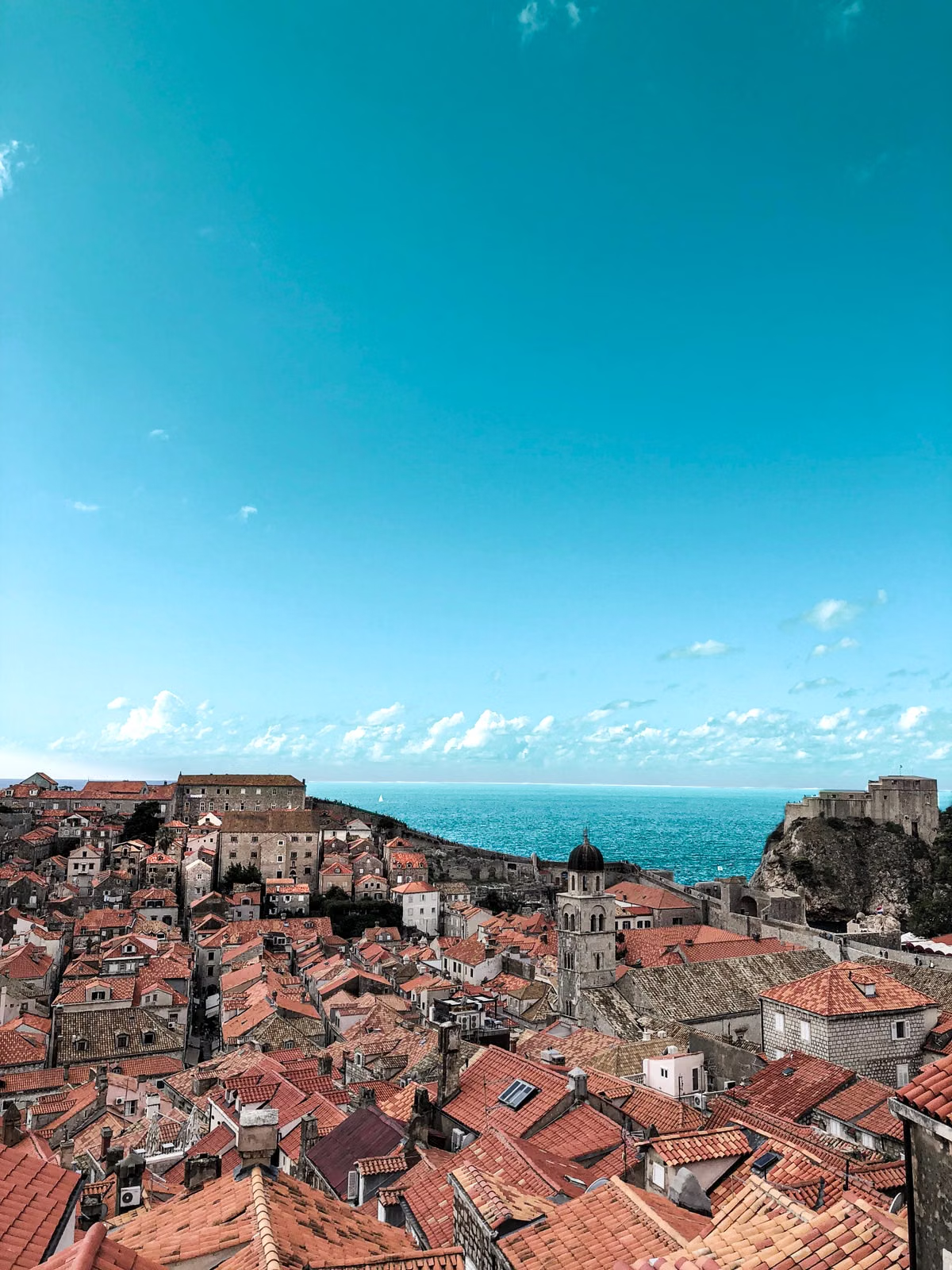
The first time I walked through the Pile Gate at ten in the morning in July, I understood why people say Dubrovnik is beautiful and exhausting in the same breath. Stone streets polished smooth by centuries of feet, and thousands of other visitors doing exactly what I was doing. It is still one of the great walled towns in Europe. It just rewards people who plan around the crowds instead of walking into them.
Here is how I would spend a single day there if the goal were to actually enjoy it.
Start earlier than feels reasonable
The city walls open in the morning and the first hour is the only time you will have the ramparts to yourself. By eleven the narrow sections turn into a slow shuffle. If you are comfortable with a guide, a well-organized private tour in Croatia usually sorts the timing out for you, because the guide already knows which gate has the shorter line and when the cruise groups land. If you go alone, buy your wall ticket ahead and be at the entrance before it opens.
The loop is a little under two kilometers and takes most people somewhere between 90 minutes and two hours with photo stops. Bring water. There is very little shade on the south side, and in August the stone gives the heat right back to you.
Do the Stradun when everyone else is at lunch
The main street, the Stradun, is lovely at 8 a.m. and a bit of a scrum at noon. Cruise passengers tend to come ashore mid-morning and leave by mid-afternoon, so the town changes character after about four. Light turns amber, the limestone looks almost pink, and the cafes along the side lanes start to fill with locals again.
My advice: do the walls first, eat late, and save the Stradun for the evening walk. Order something simple. Grilled fish, a plate of black risotto if you are curious, and a glass of local white. Prices in the middle of the old town are steep, so one or two streets back from the main drag is where lunch gets sensible.
Get off the stone and onto the water
Dubrovnik looks different from the sea, and honestly I think it looks better. A small boat or kayak puts the walls in proportion, enormous and quiet, with the fortress of Lovrijenac sitting on its rock like it is still waiting for a siege. Late afternoon paddles are popular, but sunset slots fill quickly in summer, so book a few days out.
If you would rather not paddle, the short ferry to Lokrum island takes about fifteen minutes. There are shaded paths, a small salt lake and peacocks wandering around like they own the place. It is the quickest way to feel like you have left the city without actually leaving.
Ride the cable car, but pick your moment
Everybody ends up on Mount Srđ for the view, and it deserves the hype. What matters is when. Go too early and the haze can flatten the panorama. Go at golden hour and you get the whole Old Town lit up, the islands scattered beyond it, the sea turning from blue to silver. Stay for sunset if you can handle the queue back down, or walk down if your knees agree to it.
Know what a private guide really changes
I used to think guided tours were for people who could not read a map. Dubrovnik changed my mind. The history here is dense. Siege, earthquake, the war of the 1990s, the long republic that traded with half the Mediterranean. A good guide turns a pretty street into a story, and just as important, takes the logistics off your plate. Tickets, transfers, a reservation at a place that is not on the top ten list.
That matters most for travelers coming from the US, where flights and jet lag already eat a lot of energy. By the time you land, nobody wants to negotiate taxi prices or wonder whether the restaurant is a tourist trap. Having one person who knows the town, speaks fluent English and can adjust the pace for your group is worth more than another monument on the list.
Where Dubrovnik fits in a bigger trip
Dubrovnik works best as one chapter, not the whole book. From here many travelers head up the Dalmatian coast to Split, or across to the quiet island of Korčula, then circle back for a few days elsewhere. Some people pair Croatia with a second country and a very different mood. A week in Croatia followed by Istanbul and the fairy chimneys of Cappadocia makes a surprisingly satisfying contrast, and a specialist in private tours across Turkey can link the two legs so you are not rebuilding your plans halfway through.
A few practical notes
- Shoulder season, May and late September, has warm water and much thinner crowds.
- Wear shoes with real grip. The polished stone is slippery, especially after rain.
- Carry some cash. Small konobas and market stalls still prefer it.
- Do not try to see everything. Three or four good things done slowly beat ten rushed ones.
- Book restaurants for dinner a day ahead in July and August, because the good ones are small and fill up early.
The short version
Dubrovnik is not a place to rush through, and it does not need to be crowded to be memorable. Go early, eat late, get on the water and let someone local handle the details. If you are thinking about Croatia for next summer, start with the route and the season before you book flights. The rest tends to fall into place once those two are settled.